Home / Selling
Selling your home
I never recommend chasing a market.
Selling well comes down to four things: pricing it for the market you actually have, getting the house ready, putting it in front of the right buyers, and negotiating from a position of knowledge. Here is how I handle each one, and what you can expect from me along the way.
1. Pricing
The number comes from the data, not from hope.
Every seller has a number in their head. Sometimes it is right. My job is to find out, before the listing goes live, not after it has sat for six weeks.
I start with what comparable homes near you have actually sold for, then what is pending, then what is active and how long it has been active. I adjust for condition and location, because a remodeled kitchen and a busy street both show up in the price whether we like it or not. Then I tell you what the data says, as thoughtfully as I can, even when it is not what you were hoping to hear.
What I will not do is list high to make you feel good and then walk you down in price cuts. In a softening market, the sellers who lose money are the ones whose expectations were never managed. The sellers who do well are the ones who priced for the market on day one, when buyer attention is highest.
The decision is still yours. If you want to try a number above what the comps support, I will tell you what I would do in your situation, and then I will list it at the number you choose. I just want you choosing with the full picture.
Request a pricing conversationWhat a pricing conversation looks like
About an hour, at your kitchen table or on a call. No obligation.
- I walk the house and note what buyers will notice, good and bad
- We go through the sold, pending and active comps together
- You get a realistic range, and what I would list at and why
- We talk timing: this month, this spring, or a year out
- You get a prep list with rough costs, so you can decide what is worth doing
If you are not planning to sell for a year or two, this conversation is still worth having. It is never too early to prepare.
2. Preparation
Buyers decide in the first thirty seconds. We get those thirty seconds right.
Preparation is the part most sellers underestimate and the part where I am most hands-on. I help you prioritize preparation based on your home, your budget and how buyers are likely to respond.
Staging
I bring in a stager for vacant homes and most occupied ones. A client who sold a vacant condo through me told me afterward that staging was the reason it sold quickly. I have also personally hauled a client's belongings to storage and picked up the last few pieces of furniture myself to get a home ready for photos. Whatever it takes.
Repairs and small projects
Not every project is worth doing. Fresh paint, lighting, landscaping and deferred maintenance usually are. A full kitchen remodel the month before you sell usually is not. I will give you a prioritized list with rough costs and tell you where I would stop.
Inspections before you list
In this market I often recommend getting your own inspections done first. Early inspections can help us identify issues before negotiations begin, and they let buyers write cleaner offers. You will have a much better idea of what the house will say about itself before a buyer reads it.
3. Marketing
The listing should look like the best version of your house, because it is.
Every one of my listings gets professional photography. Most get a listing film, drone shots where they help, and a floor plan. The listing goes to the MLS, which feeds every major site, plus my own network and social channels, and I follow up personally with the agents who have buyers in your price range.
One of my sellers, a 30-year Realtor herself, told me she chose me because my listing and marketing stood out from the other sales in her complex. That is the standard: when a buyer is scrolling through forty homes on a Sunday morning, yours has to be the one they stop on.
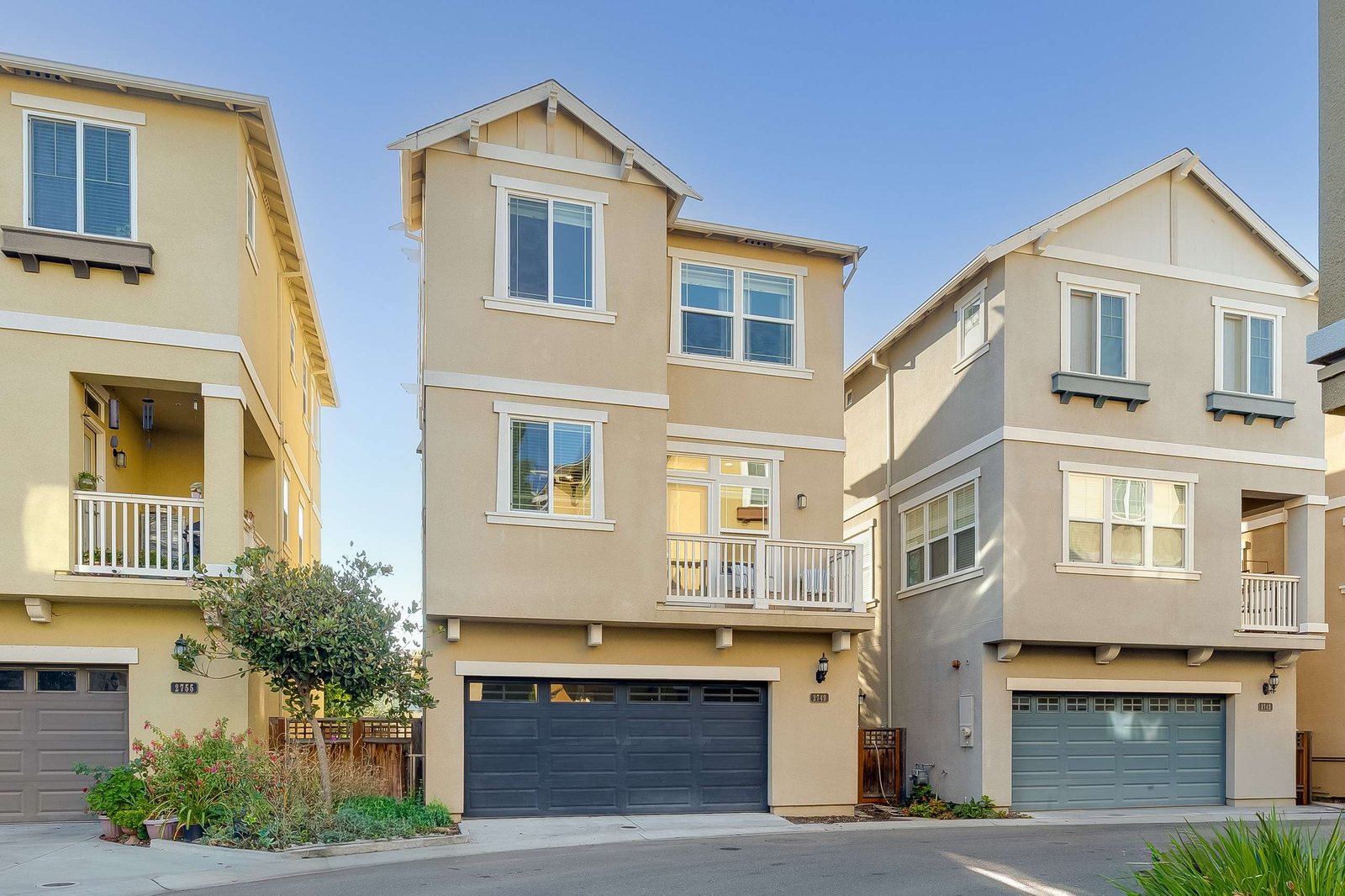 img/pismo.jpgListing photo
4. Negotiation
Offers are information. I read all of it.
An offer is a price, but it is also a down payment, a lender, a set of contingencies, a closing timeline, and an agent on the other side whose habits I may already know. The highest number is not always the strongest offer, and the strongest offer is not always the one that closes.
When you have multiple offers, I lay them out side by side and tell you what each one is really worth and how likely it is to make it to closing. When you have one offer in a slow market, I tell you honestly whether it is a good one for the market we are in or whether we wait. One of my sellers had fourteen offers after three days. Another had one good offer in a week while the neighbors sat for months. Both sellers made the right decision, because both had the full picture.
Once we are in contract, I manage the project to the finish: inspections, appraisal, the buyer's loan, repair requests, and every deadline. You will hear from me before you have to wonder.
Questions sellers ask me
Should I sell first or buy first?
It depends on your finances and your tolerance for moving twice. Many of my clients buy first with no contingencies and then sell, which only works with a solid plan. We will map out both paths before you decide.
What does it cost to sell?
Commission, which is negotiable and which we will discuss plainly at our first meeting, plus title and escrow fees, county transfer tax, and any repairs or staging. I will give you a net sheet so you see the actual number you walk away with at a given price.
Do I have to move out to sell?
No. Plenty of my sellers live in the home through the sale. It takes some coordination around showings and photos, and I will make it as painless as I can.
What if I am not selling for a year or two?
Then this is the perfect time to talk. We can plan the projects worth doing, watch the market together, and pick the moment. I will not hound you in between.

Next step
Find out what your home is worth today.
An hour at your kitchen table, the real comps, and a straight answer. No obligation, and no pressure after.